

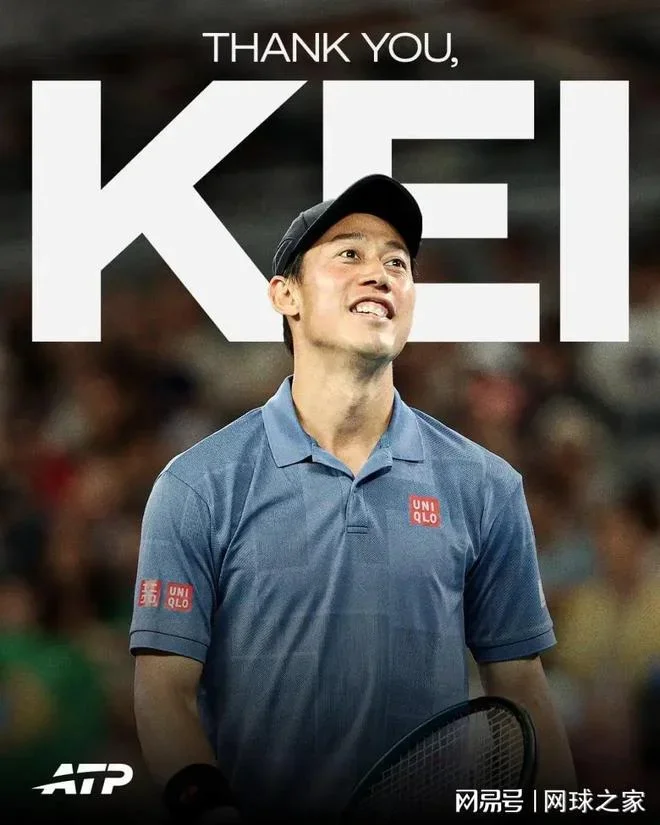
Many expected Japanese tennis star Kei Nishikori to delay his retirement announcement, but he surprised everyone by confirming on the first day of the May Day holiday that he will officially retire at the end of this season.
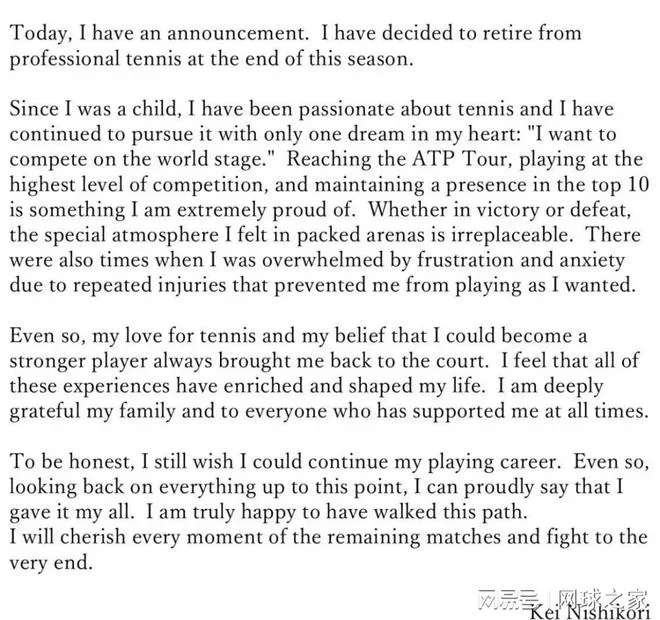
The timing of Nishikori’s announcement caught many off guard, especially after reports in April suggested he might retire following the Sarasota Open, a claim he denied at the time. His vague responses had led to speculation that his retirement, though inevitable, would likely occur next year. However, Nishikori dropped the bombshell on the holiday, declaring that this will be his final season, instantly spreading sadness among fans and followers.
“Today, I have a message to share: I have decided to retire from professional tennis at the end of this season,” Nishikori wrote in a statement that quickly went viral. Many fans expressed that every match left will be precious, and they will cherish every moment he spends on court.
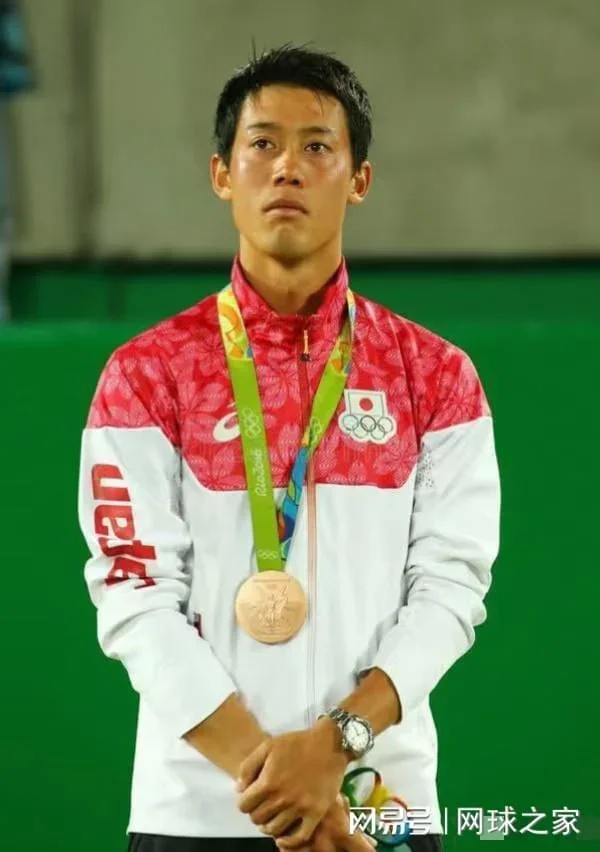
In his retirement statement, Nishikori made it clear that leaving the sport is not easy for him. Fans noted that his deep love for tennis kept him going, even as his ranking dropped to No. 464 and injuries mounted. Instead of retiring comfortably after his peak years—when he was a top-10 mainstay and Asia’s leading male player—he chose to keep competing, often struggling against younger opponents.
Nishikori’s announcement marks the end of what many call the golden era of Asian men’s tennis. He broke through during the dominance of the Big Three—Federer, Nadal, and Djokovic—using his quick movement and explosive style to carve out a top-10 spot and win 12 ATP titles, elevating Asian men’s tennis to unprecedented heights.
The pinnacle came in 2014, when he won four tour titles and stunned world No. 1 Novak Djokovic in the US Open semifinals, becoming the first Asian man to reach a Grand Slam singles final. Though he lost to Marin Cilic, that runner-up finish remains a high-water mark for Asian tennis.
“I honestly still want to continue playing. But looking back at my journey, I can proudly say I gave it everything. I am truly happy to have walked this path. I will treasure every moment of every match left, fighting until the very end,” Nishikori wrote, moving many to tears. His decision to announce his retirement in advance, rather than abruptly quitting, reflects his ongoing passion for the game.
As the retirement date is now set, two questions are widely discussed: Which tournament will host his final match, and who will succeed him as Asia’s next great male star?
Many believe Nishikori will end his career in Tokyo, his hometown, making a fitting farewell on home soil.
As for a successor, current Asian No. 1 Alexander Bublik of Kazakhstan is a candidate, but fans doubt he possesses the same grit and consistency that defined Nishikori’s career. Other Asian players are also considered unlikely to immediately fill the void. The consensus is that Nishikori’s era was unique, and replicating it will require time. The answer may only come in the years ahead.
